
Do You Really Need Fabric Softener? Myths and Facts
What Is Fabric Softener and How Does It Work?
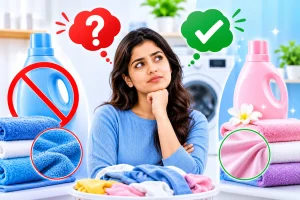
Fabric softener, also called fabric conditioner, is a product added during the rinse stage of a wash. It leaves a thin coating on the surface of the fibres. The coating makes the fabric feel smoother and softer, reduces static electricity, and often adds fragrance. It does not clean clothes. Detergent does the cleaning, and softener is only a finishing step.
Because it works by coating the fibres, the benefit and the drawback come from the same source. The coating that feels soft can also reduce how well a fabric absorbs water, breathes and releases odour. That is why the right answer to “do I need it?” is “it depends on the fabric”.
What Fabric Softener Does Well
Used on the right clothes, fabric softener has real benefits. It makes fabrics such as cotton shirts, kurtas and bedsheets feel softer against the skin. It reduces static cling in synthetic clothes, which is useful in dry weather and with tumble dryers. It can make ironing easier by relaxing creases. It adds a pleasant fragrance that many people like. And because it makes fibres slide against each other, it can reduce the rough feel of clothes that have been air-dried in strong sun.
If you like the feel and smell, and you use it on suitable items in the right amount, there is nothing wrong with it.
What Fabric Softener Does Badly
The downsides are less well known.
It reduces absorbency. The coating makes fibres water-repellent. On towels, it means they stop soaking up water and feel less effective after each wash.
It can trap odour. In sportswear and synthetic fabrics, the coating can hold on to sweat and body odour, so clothes smell stale even after washing.
It builds up over time. Repeated use leaves residue, which makes clothes feel slightly greasy, dull in colour and heavy. Dark clothes can look streaky.
It can irritate skin. Fragrances and other ingredients can trigger irritation or allergies in some people, especially children and anyone with sensitive skin or eczema.
It can affect special fabrics. It can reduce the performance of microfibre, technical sportswear, waterproof fabrics and flame-resistant clothing, including some children’s nightwear. Always follow the garment’s care label.
It can leave residue in your machine. Over time it can build up in the dispenser and drum, especially in front-loading machines, and cause smell and blockages.
It costs extra. It is one more product to buy, and many households use it out of habit.
Myths and Facts
Myth: Fabric softener cleans clothes. Fact: It does not clean at all. It only coats the fabric after cleaning. If clothes still smell after washing, adding more softener will only cover the smell.
Myth: A strong perfume means clean laundry. Fact: Fragrance and cleanliness are different things. A heavy scent can hide a damp or sweaty smell without removing it. Truly clean clothes smell fresh and neutral.
Myth: You need softener for soft towels. Fact: It usually has the opposite effect, because it makes towels less absorbent. Soft towels come from using the right amount of detergent, rinsing well, drying fully and shaking them out before drying.
Myth: Fabric softener makes clothes last longer. Fact: The evidence is mixed. It can reduce friction and static, but residue can also make fabrics heavy, dull and less breathable. Gentle washing, correct temperature and avoiding overloading do far more for the life of clothes.
Myth: More softener means softer clothes. Fact: Using too much leaves residue, which makes clothes greasy, stained and irritating, and does not make them softer. Use the amount on the label or less.
Myth: Stiff clothes mean you need softener. Fact: Stiffness is often caused by too much detergent, poor rinsing, hard water or drying in strong sun. Fixing those usually works better than adding softener.
Myth: Fabric softener is safe on all clothes. Fact: It is not. Skip it on towels, sportswear, microfibre, waterproof and technical fabrics, and anything whose label says not to use it. See How to Read Laundry Symbols and Care Labels.
Myth: Fabric softener removes wrinkles and replaces ironing. Fact: It can relax creases slightly, but it does not replace proper drying, smoothing and ironing.
Myth: Dryer sheets and liquid softener are completely different. Fact: They do a similar job. Liquid goes in the rinse, and dryer sheets work in the tumble dryer. Both leave a coating, so similar cautions apply.
Which Clothes Should Not Get Fabric Softener
Skip fabric softener on these.
Towels and bath linen. It reduces absorbency, which is their whole purpose.
Sportswear and gym clothes. It traps sweat and odour and reduces moisture-wicking.
Microfibre cloths and technical fabrics. The coating clogs the fibres and reduces performance.
Waterproof and water-repellent clothes. It can break down water resistance.
Flame-resistant clothing and children’s nightwear. Softener can reduce flame resistance on some garments. Follow the label.
Baby clothes and very sensitive skin. Fragrance and residue can irritate. If you use anything, choose a fragrance-free product and rinse well, or skip it.
Anything whose care label says not to use it. The label comes first.
For valuable items such as silk, wool and embellished clothes, it is safer to leave cleaning to a professional. See Dry Cleaning vs Laundry: Which Is Better for Your Clothes? to decide.
When Fabric Softener Can Be Useful
It is a reasonable choice for cotton bedsheets and pillowcases if you like a soft feel, for cotton shirts, kurtas and casual wear that feel rough after sun drying, for synthetic clothes that cling in dry weather, and for woollens when you use a product made for wool. Use a small amount, and not every wash. If you notice towels, sportswear or dark clothes getting worse, cut back or stop.
Fabric Softener Alternatives
You can get soft, fresh clothes without softener.
Use the right amount of detergent. Too much is the most common reason for stiff, dull clothes. See Powder vs Liquid Detergent: Which Is Better for Your Clothes? for how to measure and choose.
Add an extra rinse. This removes detergent residue, which is the usual cause of stiffness and itchy skin.
Shake and smooth clothes before drying. Shaking out each item and gently pulling seams flat helps clothes dry softer and with fewer creases.
Dry fully but avoid over-drying. Clothes left too long in hot sun or a hot dryer become stiff and brittle. Shade drying is gentler on colours too.
Try wool dryer balls in a tumble dryer. They separate clothes and reduce static without adding a coating.
Use a little white vinegar in the final rinse (optional). Some people use a small amount to help remove detergent residue. Use it sparingly, never mix it with bleach or other cleaning products, and check your washing machine’s manual first.
Do not overload the machine. Clothes need space to move and rinse. A packed drum leaves residue behind.
Sort properly. Washing towels with towels, and delicates separately, protects the fabric feel. See How to Sort Laundry Properly.
How to Use Fabric Softener Correctly
If you do use it, a few habits make a big difference.
Measure it with the cap, and follow the dosage on the label, or use a little less. Pour it into the fabric softener compartment, not directly onto clothes, because it can leave oily marks. Dilute concentrated products as the label says. Do not mix it with detergent in the drum. Do not use it every wash, and give clothes a plain wash regularly to clear residue. Keep your machine’s dispenser clean, because old softener leaves sticky buildup that can smell. If you see greasy patches, white streaks or a musty smell, stop using it and rewash with detergent only.
Tips for Kerala’s Humid Weather
Kerala’s climate changes what clothes need. Sun-dried clothes can feel crisp, so shaking them out and ironing lightly often gives better results than softener. In the monsoon, when clothes take longer to dry, avoid heavy fabric softener on thick items, because residue can make clothes feel damp and hold odour. Never use fragrance to cover a musty smell. If clothes smell damp after drying, the real fixes are better drying and removing mildew. See How to Remove Mildew Smell from Clothes in Monsoon. Rinse thoroughly in humid weather, because leftover products hold moisture. For washing frequency, see How Often Should You Wash Clothes, Bedsheets, Towels and Jeans? and for protecting colours and fit, read How to Stop Clothes Shrinking and Fading.
So, Do You Really Need It?
For most people, no. Clean clothes do not need fabric softener, and many fabrics are better without it. It is a comfort and fragrance product, not a necessity. If you like the feel, use a small amount on suitable items such as cotton bedsheets and shirts, and skip it on towels, sportswear and anything delicate or technical. If your clothes feel stiff or smell stale, the answer is usually better detergent use, better rinsing and better drying.
If you would rather not worry about it, leave it to us. Washyfi is a live dry cleaning and laundry studio, where we inspect, sort and treat each item according to its fabric and care label, in front of you. You can visit our Live Studio, see our services or book a pickup.
Frequently Asked Questions
Do you really need fabric softener? No. It is optional. It makes some fabrics feel softer and reduces static, but it does not clean clothes and can harm towels, sportswear and some technical fabrics.
Does fabric softener damage clothes? It does not usually damage ordinary cotton and everyday clothes when used in small amounts. But it can build up residue, reduce absorbency and affect special fabrics. Follow the care label.
Can I use fabric softener on towels? It is best not to. It coats the fibres and makes towels less absorbent. Use the right amount of detergent, rinse well and dry fully instead.
Can I use fabric softener on gym clothes? It is better to avoid it. It can trap sweat and odour and reduce how well sportswear moves moisture.
Is fabric softener safe for baby clothes? It is safer to skip it, because fragrance and residue can irritate sensitive skin. If you use anything, choose a fragrance-free product and rinse thoroughly.
Why do my clothes feel greasy after using fabric softener? You are probably using too much, or it is building up. Stop using it for a few washes, use detergent only and add an extra rinse.
What can I use instead of fabric softener? Use less detergent, add an extra rinse, shake clothes out before drying, use wool dryer balls in a dryer, and avoid overloading the machine. Some people add a small amount of white vinegar to the final rinse.
Does fabric softener remove odours? No. It adds fragrance, which can cover odours for a while. Odours are removed by proper washing, rinsing and drying.
Should I put fabric softener in every wash? No. Using it every time increases buildup. Use it occasionally, on suitable items only.
Final Thoughts
Fabric softener is a nice extra, not a necessity. It can add softness and scent to cotton and bedsheets, but it can also reduce absorbency, trap odour and build up residue on the wrong fabrics. Use the right amount of detergent, rinse well, dry properly and check the care label, and you will get soft, fresh clothes without it.
When you want expert care for clothes you cannot afford to damage, visit our Live Studio, see our services or contact us.