
Premium Services That Earn Better Margins: Bridal Wear, Sarees, Leather, Shoes and Bags
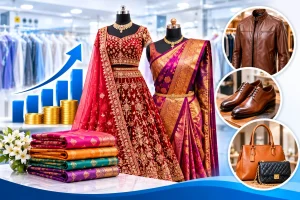
Why Premium Services Earn Better Margins
Four things explain it.
Customers pay for skill and trust, not just cleaning. With a shirt, the customer can compare your price with five others. With a wedding lehenga, they ask who handled it, how, and what happens if something goes wrong. Price becomes one factor among several, which gives you room to charge for expertise.
Fewer providers do it well. Handling beaded, zari or heavily embellished clothes, leather, suede and luxury bags needs training and experience. Many cleaners avoid these items or send them elsewhere. Less competition supports better pricing.
The value of the item is high. Customers measure the cost of cleaning against the cost of replacement. A fee that feels high for a shirt feels small next to a bridal outfit or a leather jacket that cost many times more.
Add-ons are natural. Premium items bring extra services such as preservation packaging, stain treatment, steam finishing, repairs, odour treatment and pickup, each of which can be priced separately.
There is a trade-off. Premium work takes more time per piece, needs more skill, and carries more risk if something goes wrong. Better margins are not automatic. They come from pricing properly, controlling risk and using your team’s time well.
How to Think About Margin Properly
A higher price does not always mean a higher margin. To judge a service, look at what it earns after what it costs. For each premium service, work out:
Revenue per piece. The price you charge, including add-ons.
Direct labour. The minutes of skilled time the piece takes, from inspection to packing, multiplied by the cost of that time.
Consumables. Solvents, detergents, spotting agents, conditioners, brushes, tissue paper, garment boxes, covers and tags.
Equipment use. Machine time, steam units, finishing equipment and the wear on them.
Pickup and delivery. Vehicle, fuel and rider cost, which are higher for bulky or delicate items.
Risk allowance. A reserve for rework, damage claims and goodwill gestures. Ignoring this makes premium work look more profitable than it is.
Space and time. Premium items often take longer and need storage, which ties up space that other jobs could use.
A useful measure is margin per hour of skilled labour and per square foot of space, not only margin per piece. A service with a high price and long processing time can earn less than a quicker, moderately priced one.
As an illustration only, with made-up numbers, suppose a saree takes 40 minutes of skilled work, uses a small amount of consumables and packaging, and is charged at a premium. If a shirt takes five minutes and is charged at a basic rate, the shirt may bring in more per hour of labour if the volume is steady, while the saree brings in a better margin per piece and builds loyalty. The point is to run your own numbers with your own costs and price list, because they will differ by city and setup.
Bridal Wear and Wedding Outfits
Bridal lehengas, wedding sarees, sherwanis, gowns and heavily embroidered outfits are the top end of the market. They are valuable, emotional and often worn once, then kept for years.
What makes them premium. Heavy embroidery, zari, stones, beads and sequins need careful handling. Linings, can-can and structured layers add complexity. Customers often want cleaning, repair and preservation after the wedding.
What customers need. Pre-wedding steam finishing and light stain treatment, post-wedding cleaning of sweat, makeup and food marks, and long-term preservation in breathable, acid-free packaging.
Where the margin comes from. Premium pricing per piece, preservation boxes and covers, minor repairs such as re-attaching stones, and pickup and delivery for fragile outfits. Packages that bundle cleaning, repair and boxing earn more than single services.
What to watch. Embellishments can loosen or discolour. Dyes can bleed. Always inspect, photograph and document condition with the customer before work, test fabrics and embellishments, and set expectations clearly. Use a written acknowledgement for items with existing damage or risky decoration.
Timing. Wedding seasons create peaks, so book capacity in advance and encourage customers to schedule early.
Sarees: Silk, Kasavu, Zari and Festive Wear
In Kerala and across India, sarees are a steady and often overlooked premium category. A good silk or kasavu saree can be worn for decades, so customers care a great deal about how it is handled.
What makes them premium. Delicate silks, zari borders and hand-woven fabrics need dye testing, gentle methods and expert pressing. The border and pleats need careful finishing, and many customers also want starching, fall and pico work, and folding that protects the zari.
What customers need. Regular cleaning for sarees worn at festivals and functions, expert pressing and rolling or folding for events, and storage advice and packaging to prevent tarnish, mildew and creases.
Where the margin comes from. Sarees come back repeatedly, especially around Onam, Vishu and wedding seasons. Customers often bring several at once, so average order values are good. Pressing, starching, finishing and preservation packaging can all be priced as add-ons.
What to watch. Colour bleed, water marks on silk, zari tarnishing and fabric weakness along old folds. Test, explain and keep a record.
Opportunity. Sarees are a good entry into premium work, because the risk is lower than for the most elaborate bridal pieces, and they build trust that carries over to other services.
Leather and Suede
Leather jackets, coats and suede items are high-value, and demand is steady, though smaller than for sarees or shoes.
What makes them premium. Leather cannot be treated like cloth. It needs specialist cleaning, conditioning, colour care and sometimes restoration. Mistakes such as dryness, cracking, colour loss and shape distortion are permanent.
Where the margin comes from. Pricing reflects specialist skill and the cost of the item. Conditioning, colour touch-ups and odour treatment can be added. Many franchise owners work with a trusted specialist partner for leather, which lets them offer the service without building the expertise from scratch.
What to watch. Test patches, correct products and clear communication about what can and cannot be restored. Do not promise to reverse old damage. In Kerala’s humid monsoon, leather is prone to mould, so seasonal demand for mould and odour treatment is worth planning for.
Shoes and Sneakers
Shoe care is one of the faster-growing premium categories, driven by the popularity of sneakers, leather formal shoes and designer footwear.
What makes them premium. Different materials such as canvas, mesh, leather, suede and rubber all need different methods. Customers value brightness on white soles, odour removal, colour care and restoration.
Where the margin comes from. Shoes need relatively little equipment and space compared with garment lines, and the work is quick to process, so margin per hour can be strong. Add-ons include deodorising, waterproofing, sole whitening, lace replacement and minor repairs. Pickup and delivery add convenience.
What to watch. Colour bleed, glue breakdown and damage to old or cheap shoes. Set expectations, and photograph condition before work.
Opportunity. Shoes attract a younger, more social-media-aware customer who often brings several pairs and returns regularly. Before-and-after photos are easy to share, which helps marketing.
Bags and Luxury Accessories
Handbags, backpacks, travel bags and luxury accessories are valuable and emotional, and many customers have no idea where to take them.
What makes them premium. Leather, canvas, coated materials and fabrics each need different care. Hardware, linings, stitching and brand finishes add complexity. Luxury bags carry high replacement costs, which supports premium pricing.
Where the margin comes from. Cleaning, conditioning, stain and ink treatment, odour removal, lining cleaning and minor restoration are separate services. Pricing by bag type and condition works well.
What to watch. Document existing damage, wear and marks in photographs. Be honest about what can be improved, and do not promise to restore heavily worn or damaged items. Keep bags separate and protected during processing.
Add-On Services That Improve Margins
Premium categories open the door to extras that cost little to deliver and are priced separately.
Preservation packaging and storage boxes for bridal wear, sarees and suits. Steam finishing and professional pressing. Stain pre-treatment and spotting for known stains. Minor repairs and re-attaching of stones, buttons and hooks. Odour and mould treatment for leather, shoes and bags. Waterproofing and protective treatments for shoes and bags. Express and priority service, priced above the standard rate. Premium pickup and delivery, with careful handling and packaging.
Offer these as clearly priced options, not hidden extras, so customers can see the value and choose.
Pricing Premium Services
Good pricing balances the customer’s view of value with your costs and risk.
Price by item type, fabric, embellishment level and condition, not a flat rate. Use clear tiers, such as standard, heavy embellishment and specialist.
Quote before work for high-value items, and confirm the quote in writing. Include a minimum charge for small or complex jobs.
Do not compete with the cheapest shop. Price on skill, care, transparency and trust. A customer who wants the lowest price on a wedding outfit is probably not your customer.
Bundle services into packages such as cleaning, repair and preservation for bridal wear, or cleaning, conditioning and deodorising for leather. Packages raise the average ticket and simplify the decision.
Review prices regularly against costs, demand and what local competitors charge, and adjust your own rate card for your city.
Explain the price. Premium customers accept higher fees when they understand what is being done and why.
Managing Risk
Premium work carries more risk, and a few bad incidents can wipe out the extra margin and damage your reputation. Manage it deliberately.
Inspect and document every item. Check with the customer, record existing damage and photograph the item before work.
Tag and track. Every piece should have a tag and a record from receipt to delivery.
Test before you treat. Test dyes, fabrics, embellishments and leather on a hidden area.
Set expectations in writing. Explain what the cleaning can and cannot achieve, especially for old stains, worn items and fragile decoration. Use a written acknowledgement for risky items.
Have a clear damage policy. Publish it, explain it and keep to it. A fair, well-handled claim protects trust.
Consider insurance. Check what coverage suits a business handling high-value garments.
Train and certify your team. Specialist work should be done by trained staff, not whoever is free. Follow your franchisor’s standards and training for premium items.
Use specialist partners where needed. For leather restoration, luxury bags or antique textiles, a trusted partner is better than guessing.
Say no sometimes. Declining an item that is too fragile or already beyond saving protects both the customer and your business.
Operations and Capacity
Premium services place different demands on your outlet.
Skilled people. Hiring and keeping trained finishers and spotters matters more than almost any piece of equipment.
Time. Premium pieces take longer. Plan turnaround honestly and avoid overpromising.
Space. You need clean, organised space for inspection, processing, drying and finishing, plus secure storage for high-value items waiting for collection.
Packaging. Quality garment boxes, covers, tissue and shoe or bag protection are part of the product and part of the margin.
Seasonality. Wedding season, Onam, Vishu and other festivals create peaks, while the monsoon increases demand for leather, shoe and bag care. Plan staffing, equipment use and booking slots around these.
Workflow. Separate premium work from everyday volume so that a rush of shirts does not delay a bridal outfit.
Marketing Premium Services
Premium customers choose on trust, so marketing should show care and skill.
Show the process. A live studio, where customers can see how their garments are handled, is a strong advantage. At Washyfi, this transparency is central to the brand.
Use before-and-after photos, with the customer’s permission, especially for shoes, bags and sarees.
Build partnerships with wedding planners, bridal boutiques, saree shops, tailors, photographers and boutiques, who can refer customers.
Target seasons with timely offers, such as pre-wedding finishing, Onam saree care, monsoon leather and shoe care.
Collect and respond to reviews. Detailed reviews that describe the care taken are powerful for premium customers.
Offer a trial or consultation. A free inspection and quote lets customers meet your team and gain confidence.
What to Measure
Track a few numbers every month to see whether premium work is paying off.
Revenue and share of revenue from premium services. Average order value for premium customers. Margin per piece and per hour of skilled labour. Turnaround time against what you promised. Rework and damage rate, and the cost of claims. Repeat customer rate and referrals. Capacity use during peak and off-peak seasons.
If damage or rework is high, fix training, testing and expectations before chasing more volume.
A Simple Starter Plan
You do not have to launch every premium line at once.
Start with the categories closest to your skills and local demand. In many Kerala locations, sarees and shoes are the easiest entry points, followed by bags and bridal wear, with leather through a specialist partner.
In the first month, set up inspection, tagging, photo documentation and written policies. Train your team on the first two categories, and price using a clear rate card.
In the next two months, add preservation packaging and two or three add-ons, build referral links with local boutiques and planners, and start sharing before-and-after results.
After that, review your numbers, drop what does not earn enough, and add the next category when your team and workflow are ready.
Is This Right for You?
Premium services suit franchise owners who value quality over price competition, who are willing to invest in skilled people and careful processes, and who want a business that is not built on the lowest price. They are less suitable if you expect high margins without training, proper risk controls or the patience to build trust. Results depend on your location, team, pricing and execution, and no franchise can promise a guaranteed return.
If you are exploring a dry cleaning franchise, ask any franchisor how they support premium services: training, standard processes, specialist partners, packaging, pricing guidance and marketing. At Washyfi, a live dry cleaning and laundry studio, transparency and careful handling are central. You can visit our Live Studio, see our services or contact us to discuss the model.
Frequently Asked Questions
Which dry cleaning services have the best margins? Premium and specialist services such as bridal wear, silk and kasavu sarees, leather, designer shoes and luxury bags usually earn better margins than everyday garment cleaning, because customers pay for skill and trust. Actual margins depend on your costs, pricing and risk control.
Why are premium dry cleaning services more profitable? Customers value the item highly, fewer providers handle them well, price is not the only factor, and add-ons such as preservation packaging and repairs bring extra revenue.
Is bridal wear cleaning a good business? It can be, because the garments are valuable and customers want careful handling and preservation. It needs skilled staff, documentation, clear expectations and seasonal planning.
Are saree cleaning services profitable? Sarees are a steady premium category, especially around festivals and wedding seasons. Repeat business and add-ons such as pressing, starching and preservation can support good margins.
Do I need special equipment for shoe and bag cleaning? The equipment needs are modest compared with garment lines, but you need the right products, brushes, drying space and trained staff. Methods differ by material.
How do I handle the risk of damage? Inspect and photograph every item, test before treating, set expectations in writing, have a clear damage policy, consider insurance and train your team. Decline items that are too fragile.
How should I price premium services? Price by item type, fabric, embellishment and condition, quote high-value items in writing, offer tiered packages and sell on skill and trust, not on being cheapest.
Should I start with premium services or everyday volume? Most outlets need both. Everyday volume brings steady footfall, and premium services improve margins. Many start with sarees and shoes alongside core services, and add more as the team grows.
Can a franchise guarantee profits from premium services? No. Results depend on location, demand, pricing, team skill and execution. Use a franchisor’s support, but run your own numbers.
Final Thoughts
Everyday dry cleaning brings customers in. Premium services, such as bridal wear, sarees, leather, shoes and bags, are where skill, trust and better margins come together. They reward careful handling, honest communication and good processes, and they punish shortcuts. Start with what fits your market, price on value, control risk and track your numbers.
If you want to learn more about the Washyfi model, visit our Live Studio, see our services or contact us.